
By Maddy Gackenbach
Preserve Stewardship Associate
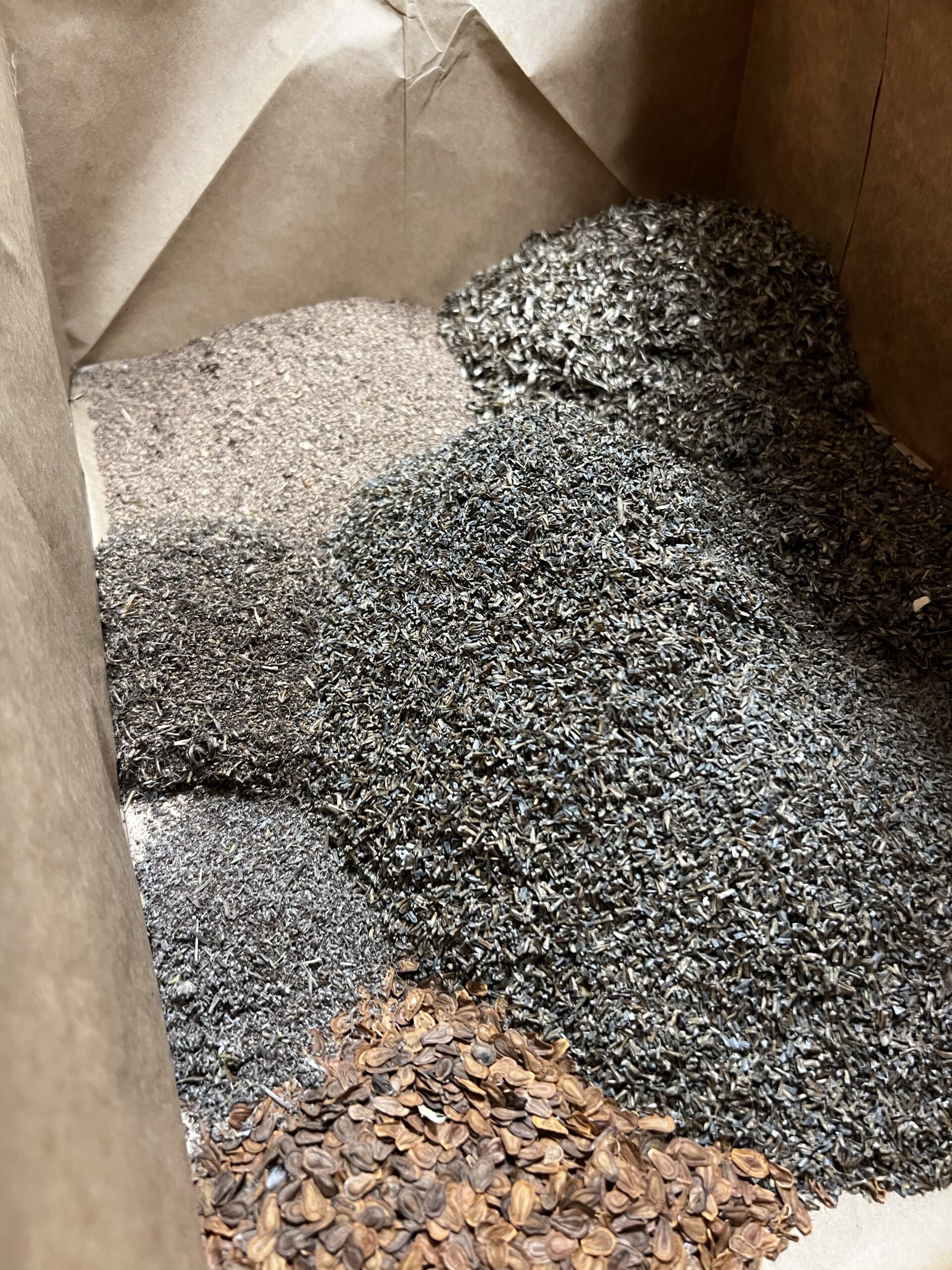
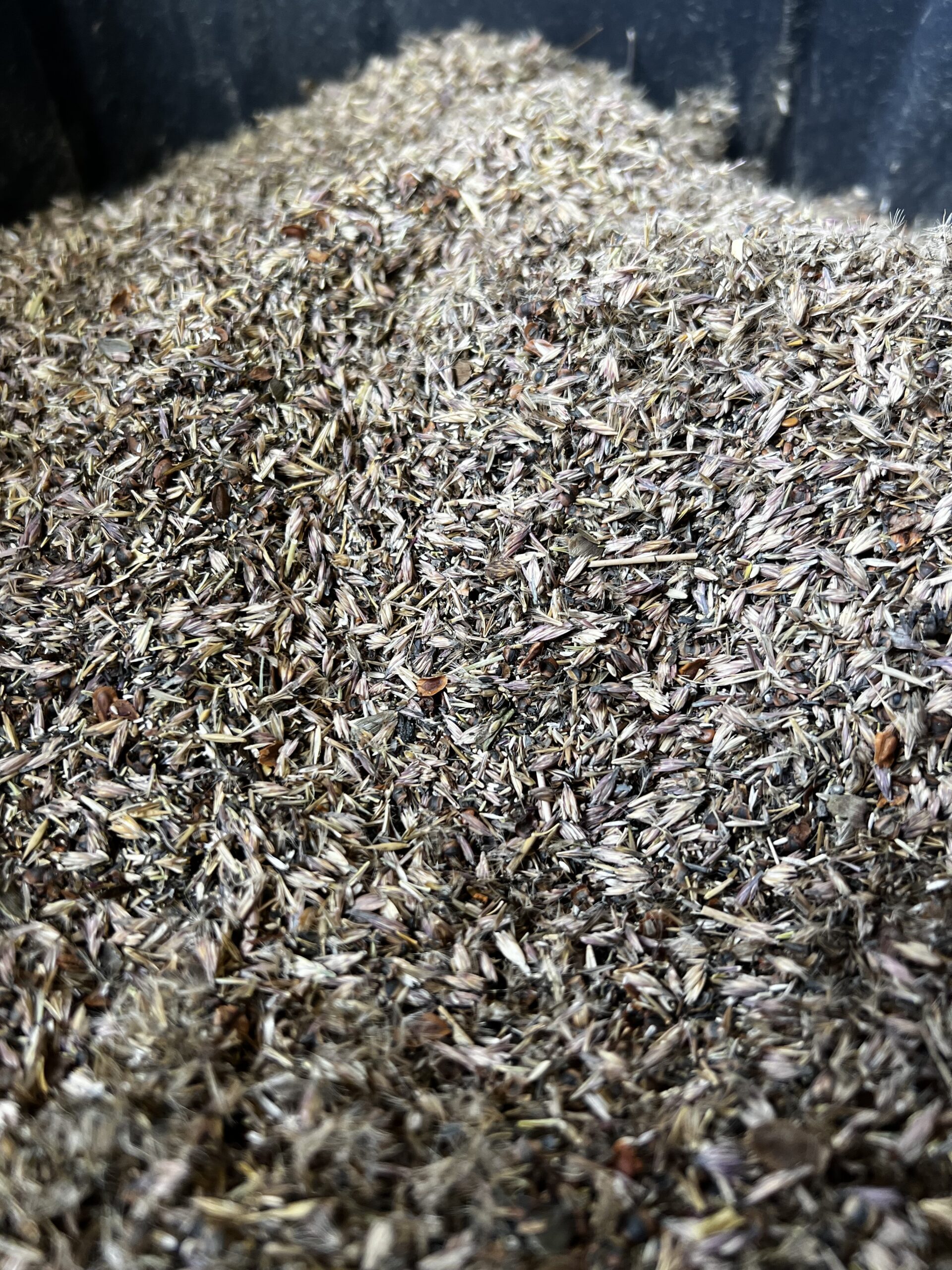
Bag of collected seeds.
One by one I carefully separate milkweed seeds from the silky white fluff that carries them through the wind. I delicately pull apart bee balm seed heads releasing dozens of tiny seeds from the dry plant material.
It’s a tedious task in a long list of jobs for our seed collection program that is part of a much larger restoration effort, but I love doing it. I know it gets us a step closer to my favorite part–spreading seeds on Legacy’s preserves!
Laying the Groundwork: Restoration Starts Before Seeds
The bulk of our work begins long before processing seeds and scattering them over the land. Preparing the land is important step in our restoration efforts. Converting areas inundated with invasive plant species into more diverse and desirable native plantings takes multiple years. And it starts when we perform treatments like prescribed fire, removing invasive shrubs, and solarization in combination with a variety of other methods to help make room for native plants.
Solarization: A Simple Tool with Powerful Results
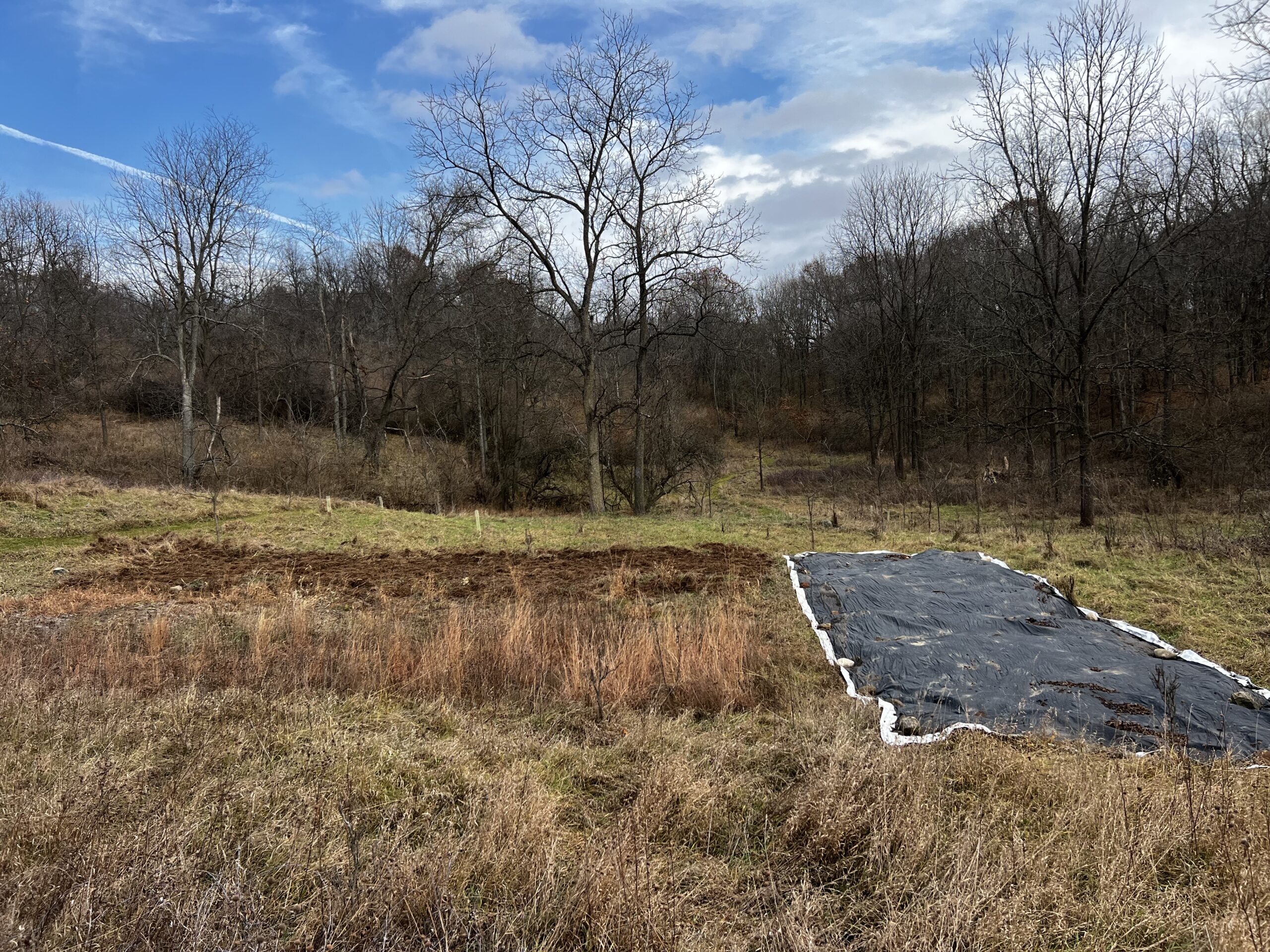
One great low-cost, low-effort small area type of treatment we use on Legacy preserves is solarization. Using a large tarp (or in our case, recycled billboard advertisements!) to cover an area of ground for a long period of time, it creates a greenhouse effect underneath it. The soil heats up so much it kills any plant life underneath making this technique ideal for areas taken over by herbaceous invasive plants.
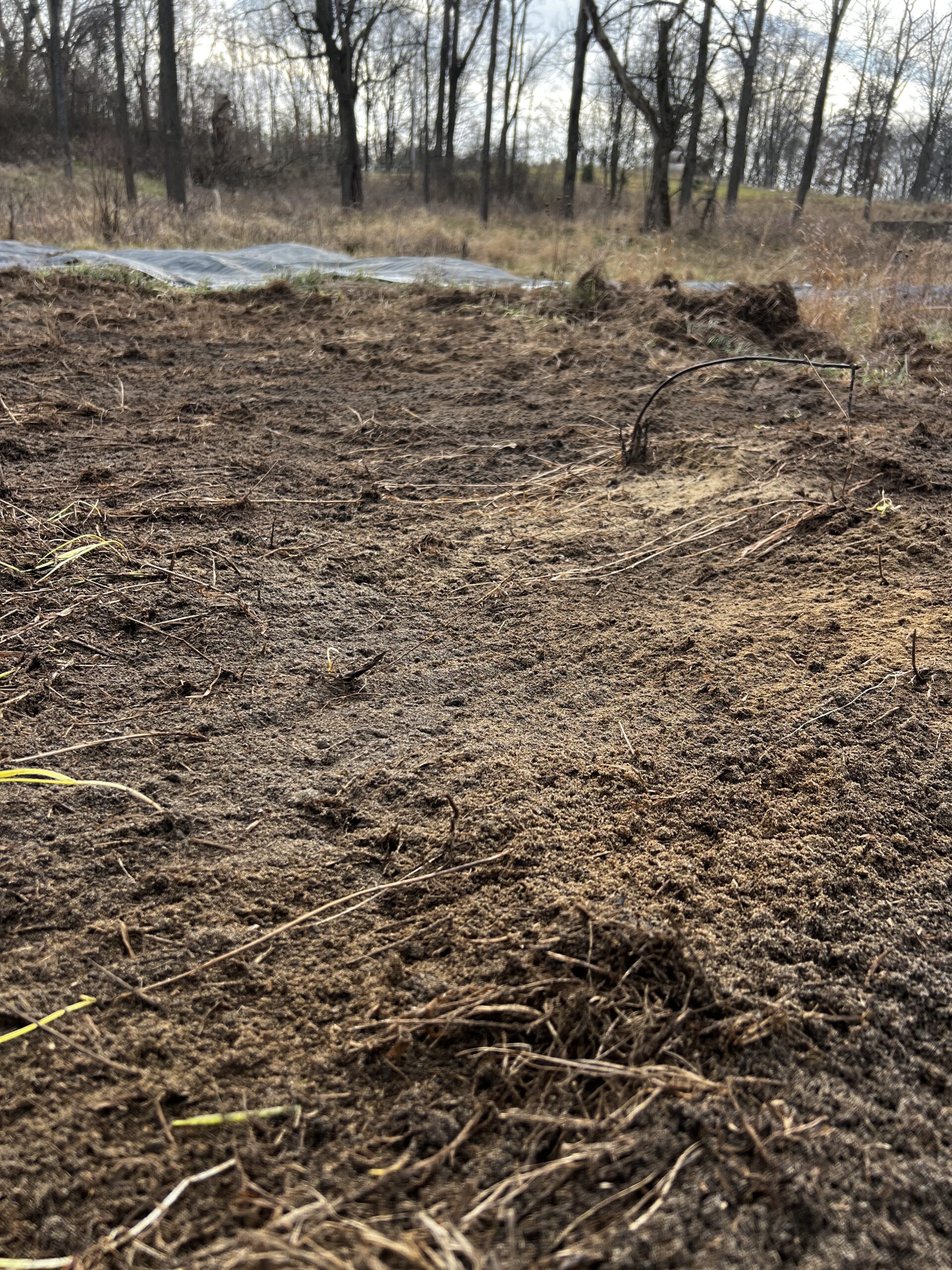
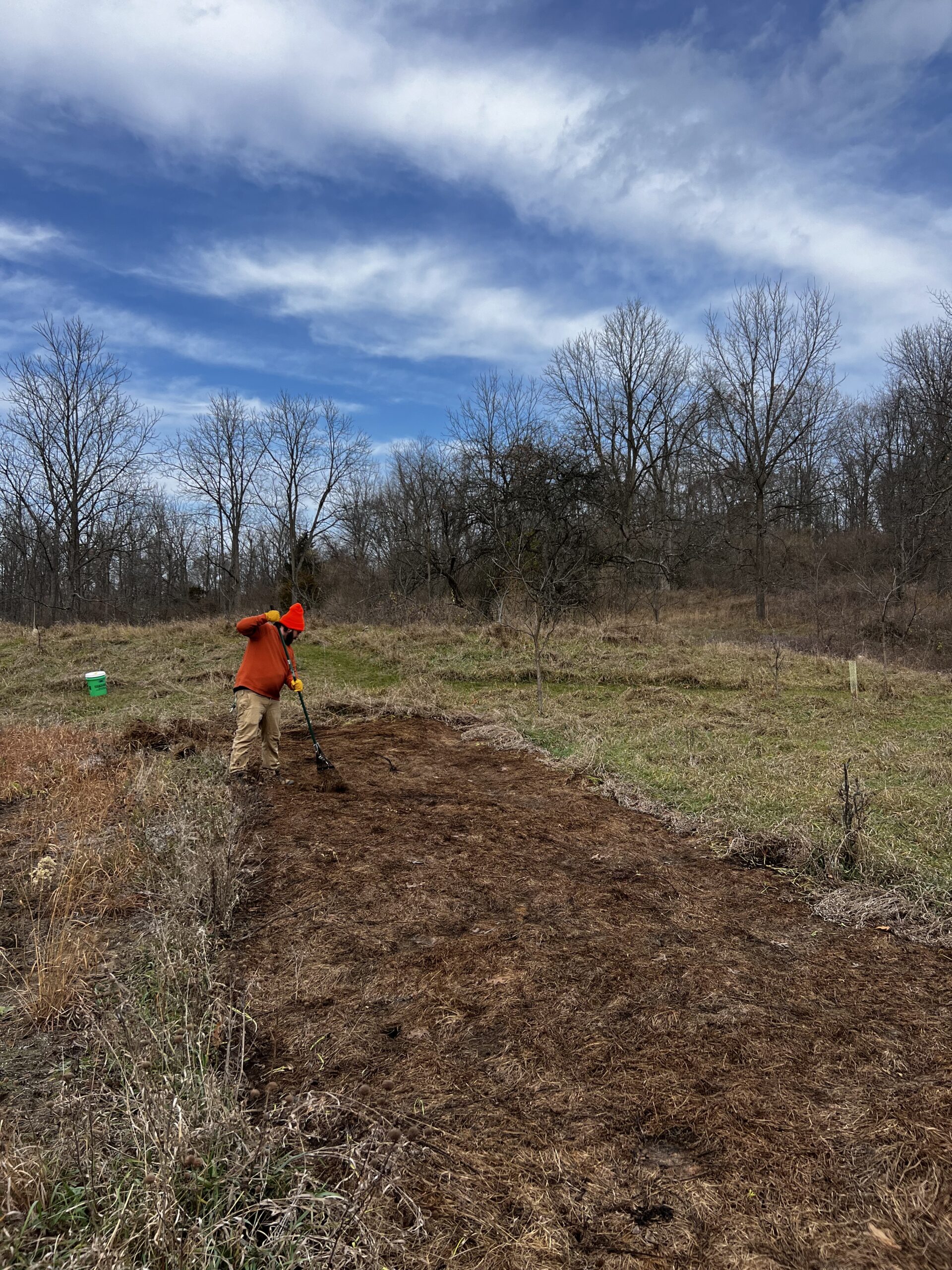
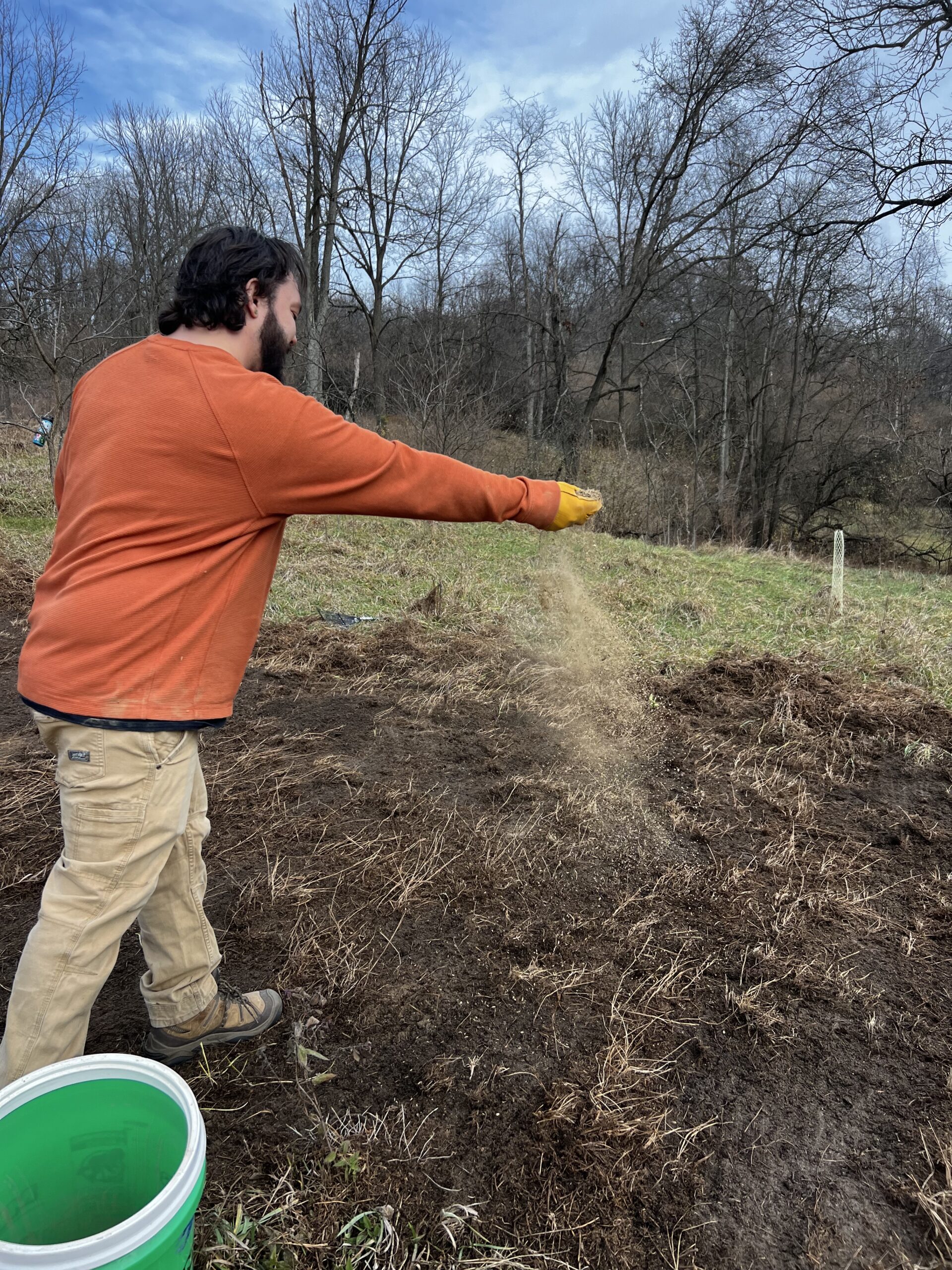
Legacy has these solarization plots at several of our preserves. After the tarp has been in place for one year, we remove it and prepare the area underneath for seeding. We rake the area until bare ground is exposed and then spread the seeds by hand.
Performing solarization year after year provides an excellent visual of the results. For example, a plot that was seeded one year ago will show little diversity of new plant species and may have a few bare spots. It will contain mostly grasses and a few lingering invasive plants that we’ll need to remove.
However, a plot seeded two years prior often starts to show more diversity like goldenrod, bee-balm, and other native wildflowers popping up among the grasses.
The solarization plots at Sharon Hills Nature Preserve are a wonderful example of this, and we have been performing this treatment there for four years.
Prescribed Fire and Shrub Removal: Faster, Greater Impact
Sometimes we must perform more intensive types of treatments like prescribed fire or removing large thickets dense with invasive shrubs to make room for native plants. A carefully planned and controlled burn or removing stands of invasive shrubs has a greater impact in more heavily degraded areas of our preserves.
These more expensive and higher effort treatments provide immediate results but produce large, new areas of bare ground or new areas exposed to the sun that were once shaded by shrubs that must be addressed promptly. We spread seeds shortly after treatment, giving the native plants a chance to establish themselves before invasive ones.
Spreading the Love
As Legacy continues to expand upon its seed collection program as part of broader preserve restoration efforts, I am excited to share in all the responsibilities. From the many hours spent collecting and processing seeds, to preparing the land and finally spreading them, I love deeply connecting with our preserves and the plants every step of the way.
Spreading seeds collected from our preserves back onto the land is a moment I cherish. Seeing wildflowers blooming and pollinators buzzing around in areas I know years of work have gone into is just the cherry on top.
I can’t wait to see the results of our hard work this spring, and to continue collecting and spreading native seeds on our preserves!
See Restoration in Action
If you’re curious about this type of restoration work, you can check it out first-hand at our preserves this spring.
Stop by Beckwith Nature Preserve and Sharon Hills Nature Preserve to see ongoing solarization projects.
We’ll also be conducting prescribed burns at Sharon Hills and Reichert Nature Preserve in early spring. While we don’t invite the public to observe the burn, anyone is welcome to see the resulting changes in the weeks immediately following.
And if collecting native seed sparks your interest, there may be upcoming volunteer opportunities for seed collection next fall.
Send me an email at [email protected] if you’d like to learn more about any of these projects!
-
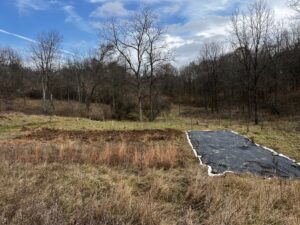
- Solarization plot area at Sharon Hills Preserve.
-
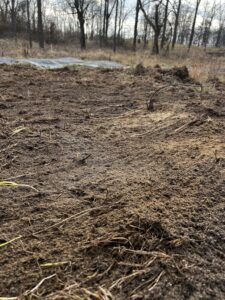
- Plot at Sharon Hills Preserve ready for seeding.
-
- Prepping the soil at Sharon Hills Preserve plot.
-
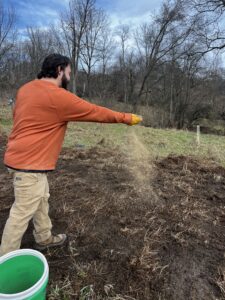
- Spreading seeds on a plot after solarization at Sharon Hills.
-
- Seed mix
 RSS Feed